
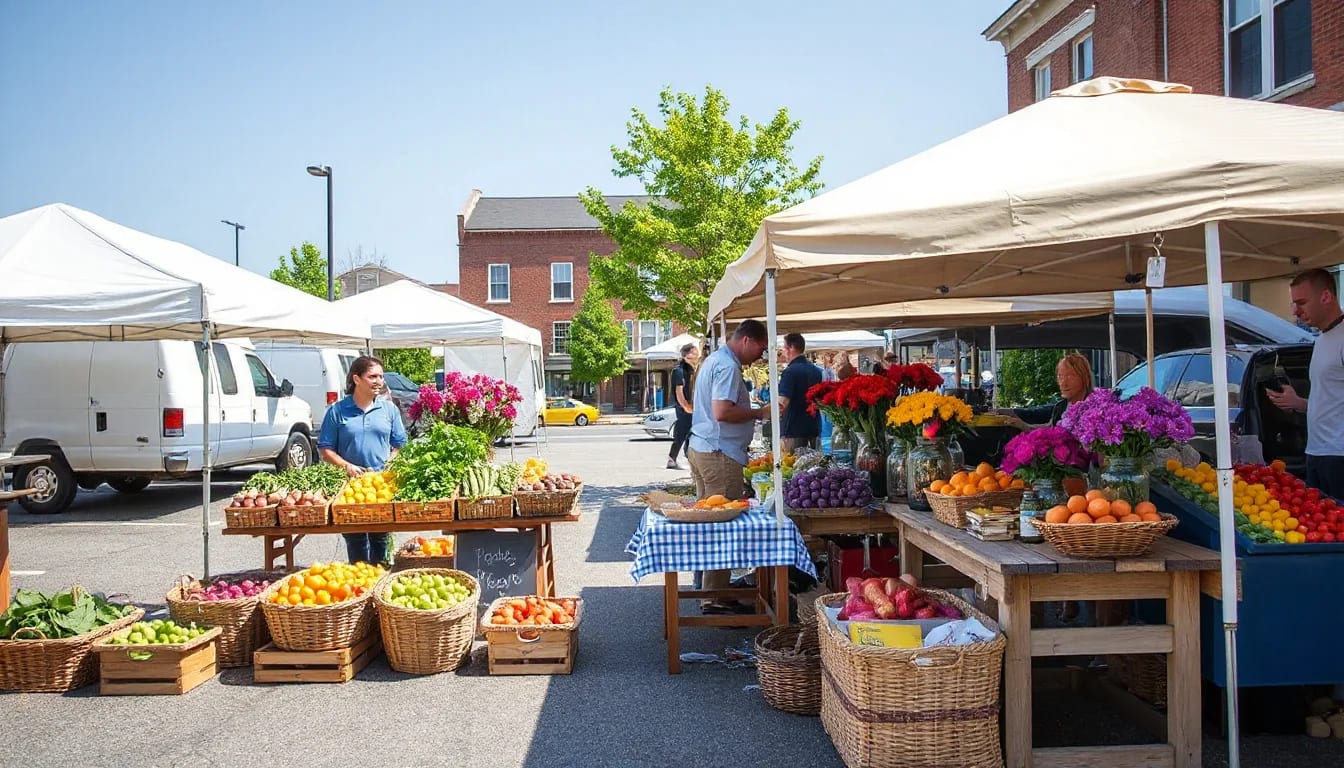

Princeton’s calendar offers more than a reason to mark a date—it is an easy way to experience the town’s seasonal rhythm, from outdoor gatherings and agricultural traditions to arts programs and nature-centered events. Whether you are exploring the area for a day or considering a move, community events can reveal the places, organizations, and everyday connections that give this Central Massachusetts town its character.
A Calendar Shaped by the Seasons
In Princeton, Massachusetts, the changing seasons do much of the planning. Spring brings trail walks, garden activity, and renewed interest in local conservation spaces. Summer creates opportunities for outdoor programs and community gatherings, while autumn is closely tied to orchards, foliage, harvest traditions, and the long-running Princeton Agricultural Fair. Winter shifts the focus toward snowy recreation, indoor programs, and the mountain landscape that defines much of the area’s setting.
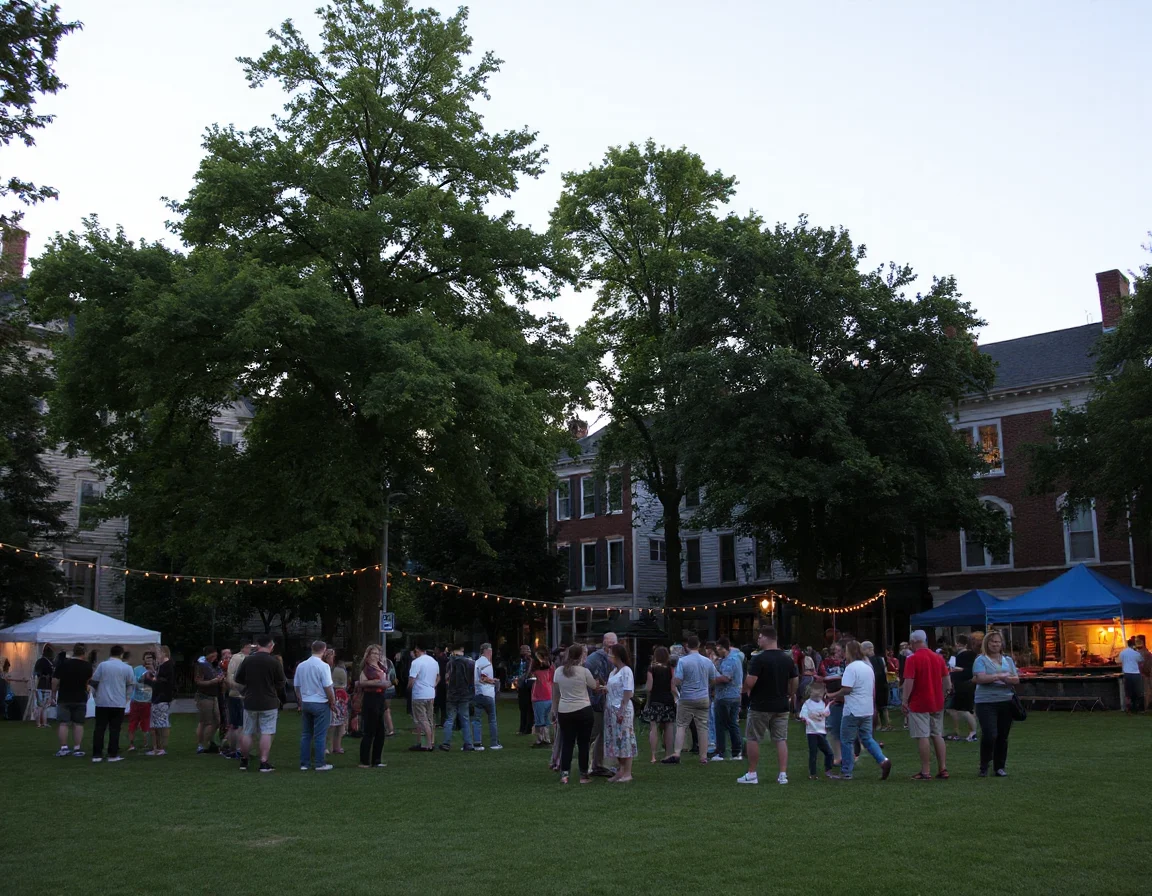
This seasonal pace makes event planning feel connected to the landscape rather than confined to a single venue. A sunny weekend can bring people outside for a conservation program or local celebration; a crisp fall afternoon may lead visitors toward roadside farm stands, orchards, or a community fair. The result is a calendar with a distinctly local feel—one that makes use of Princeton’s rural roads, historic village areas, open land, and proximity to Wachusett Mountain.
For anyone getting acquainted with the town, event listings are also a practical orientation tool. They point toward municipal spaces, local nonprofit organizations, cultural groups, recreation opportunities, and businesses that contribute to daily life in the community. Checking town, library, conservation, and venue calendars before a visit is the best way to confirm dates, admission details, weather plans, and parking information.
Princeton’s busiest outdoor-event period often overlaps with peak foliage and harvest season, so confirming timing early can help visitors plan around popular weekends.
There is no need to wait for one marquee event to get a sense of place. A smaller lecture, trail program, book discussion, volunteer day, or seasonal gathering can offer the same useful perspective: where people meet, what local organizations are working on, and how the community uses its shared spaces throughout the year.
Fall Traditions and Agricultural Heritage
Autumn is one of the most recognizable times to explore Princeton. The town’s wooded roads and elevated terrain become especially scenic as leaves turn, and the season brings a natural focus to local farms, produce, and agricultural history. Princeton’s rural character is not simply a backdrop; it is part of the setting for many annual traditions and seasonal outings.
The Princeton Agricultural Fair is a notable example. This longstanding event celebrates agricultural skills, local traditions, exhibits, food, and entertainment while drawing visitors from around the region. Like many outdoor fairs, it is wise to review the current year’s official schedule in advance, particularly for hours, ticketing, transportation, and weather-related updates. The fair offers a vivid reminder that Princeton’s heritage includes working landscapes as well as historic architecture.
Harvest season also encourages a slower style of exploration. A drive through town may include changing views of stone walls, forest edges, fields, and hillside properties. Visitors often build an outing around a scenic route, a farm stop, a walk, or a nearby community program rather than trying to fit everything into one afternoon.
For home buyers, this is a useful time to notice practical details alongside the scenery. Road conditions, driveway grades, tree cover, distance between destinations, and the feel of different areas can all be easier to understand through repeat visits. A local event can provide an enjoyable reason to return at different times of day and in different weather.
Nature Programs, Trails, and Outdoor Discovery
Princeton is well known for access to outdoor recreation, and many community activities reflect that connection. Wachusett Meadow Wildlife Sanctuary, located in Princeton, is a major resource for guided walks, educational programs, birding opportunities, seasonal observations, and quiet trail time. Its fields, woods, wetlands, and wildlife habitat provide a setting that changes noticeably from month to month.
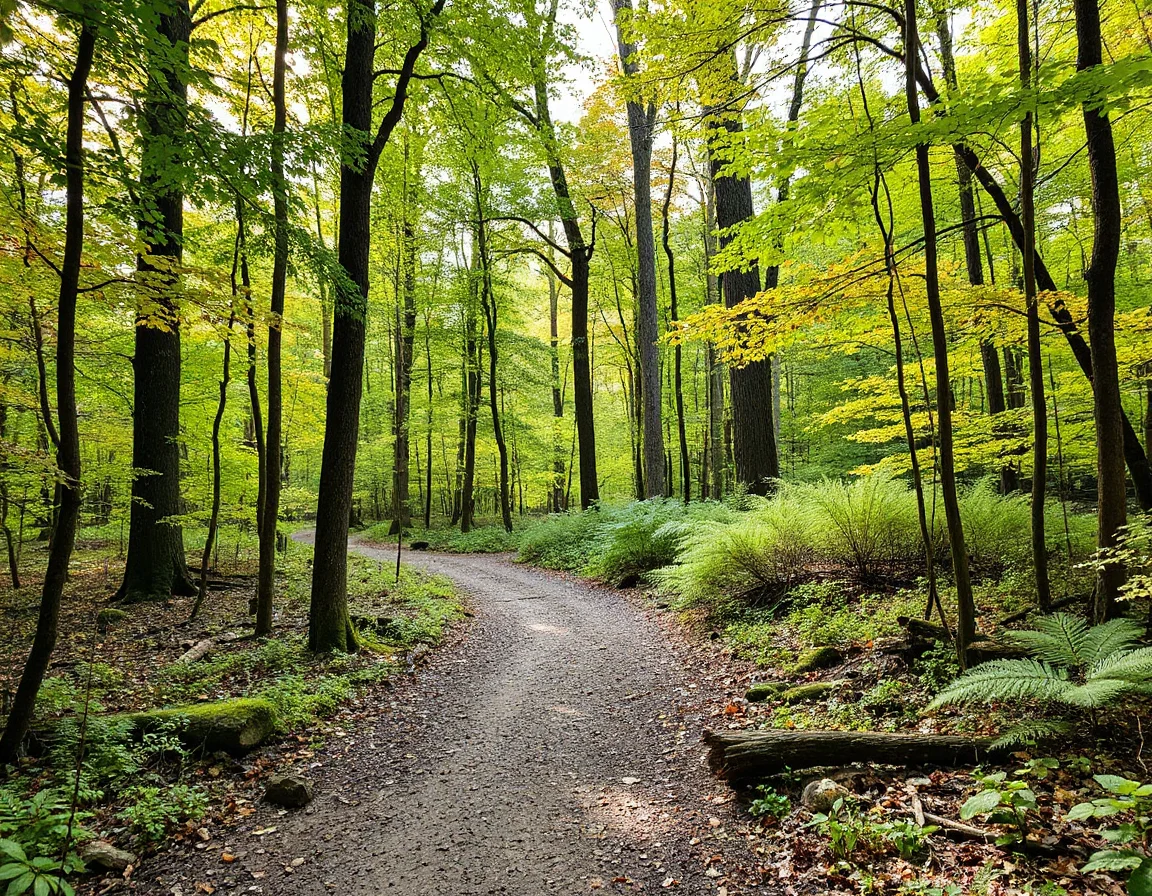
A guided nature event can be especially helpful for newcomers because it adds context to the landscape. Instead of simply seeing a wooded trail, participants may learn about local bird migration, native plants, watershed protection, forest management, or the seasonal changes taking place around them. These programs offer an approachable way to understand why conservation land is such an important part of the town’s identity.
Nearby Wachusett Mountain also anchors the regional recreation calendar. Seasonal operations and programming can include winter sports as well as warm-weather access and mountain-based events, depending on the year. The mountain’s presence is visible from many local roads and contributes to Princeton’s distinct topography, with routes that can feel very different from flatter communities in Central Massachusetts.
Outdoor events are also a good reminder to plan realistically. Bring appropriate footwear, check trail conditions, allow extra time for rural roads, and verify whether registration is required. These simple steps make it easier to enjoy the landscape while respecting conservation rules and changing weather.
A repeat visit in another season can change the experience entirely: the same trail, road, or overlook may feel different in spring mud, summer shade, October color, or winter snow.
Indoor Programs and Everyday Community Connections
Not every meaningful event in Princeton requires a forecast. The Princeton Public Library and local organizations often provide a more intimate side of the community calendar through talks, book discussions, workshops, youth and adult programming, and other gatherings. These smaller events can be especially appealing when the weather turns, and they make it easy to spend time in town beyond a quick drive through the village.
Community calendars may also include municipal meetings, volunteer opportunities, historical programs, arts events, and fundraisers. While these occasions vary from year to year, they offer a practical window into the groups and institutions that help maintain local traditions. For residents and visitors alike, showing up for a public program can be one of the simplest ways to learn what is happening locally.
It is worth remembering that Princeton’s event scene is often regional as well as local. Nearby towns offer additional dining, cultural, and retail destinations, while Princeton itself provides a more rural setting and access to open space. This combination gives people the flexibility to build a weekend around a town event, a scenic drive, an outdoor activity, or a stop in surrounding Central Massachusetts communities.
Using Events to Explore Princeton Real Estate
Community events are not a substitute for a focused home search, but they can be a valuable complement to one. Attending a program at different times of year helps reveal seasonal travel patterns, parking availability, road character, and the distance between homes, services, recreation areas, and surrounding towns. It also offers an unhurried way to notice architectural styles, lot settings, and the natural features that make each part of Princeton distinct.
Real estate in and around Princeton can include a range of property types, from historic homes and country settings to newer construction and homes with access to wooded land or mountain views. Inventory, price points, and property condition change over time, so current listings and local guidance are essential when beginning a search. The best approach is to combine online research with in-person visits that reflect the pace of everyday life.
Whether the plan is a foliage-season visit, a fair weekend, a trail program, or a library event, Princeton rewards curiosity. Its year-round calendar provides a welcoming route into the town’s agricultural roots, outdoor spaces, and active local organizations—one seasonal gathering at a time.
