

A more appealing exterior does not necessarily require a major renovation. For Holden homeowners, addressing visible maintenance, refreshing the entrance, and choosing practical landscaping can make a strong first impression while helping protect the property. Here is how to prioritize projects, compare costs, and think realistically about resale value.
Start With What the Exterior Is Telling You
Before picking paint colors or ordering new plants, take a slow walk from the curb to the front door. Look at the house as a buyer might: Are the steps even? Is the walkway clear? Are gutters attached and trim in good condition? In Holden, where winter weather and seasonal moisture can be hard on exterior materials, a tidy appearance is most convincing when it is backed by sound maintenance.
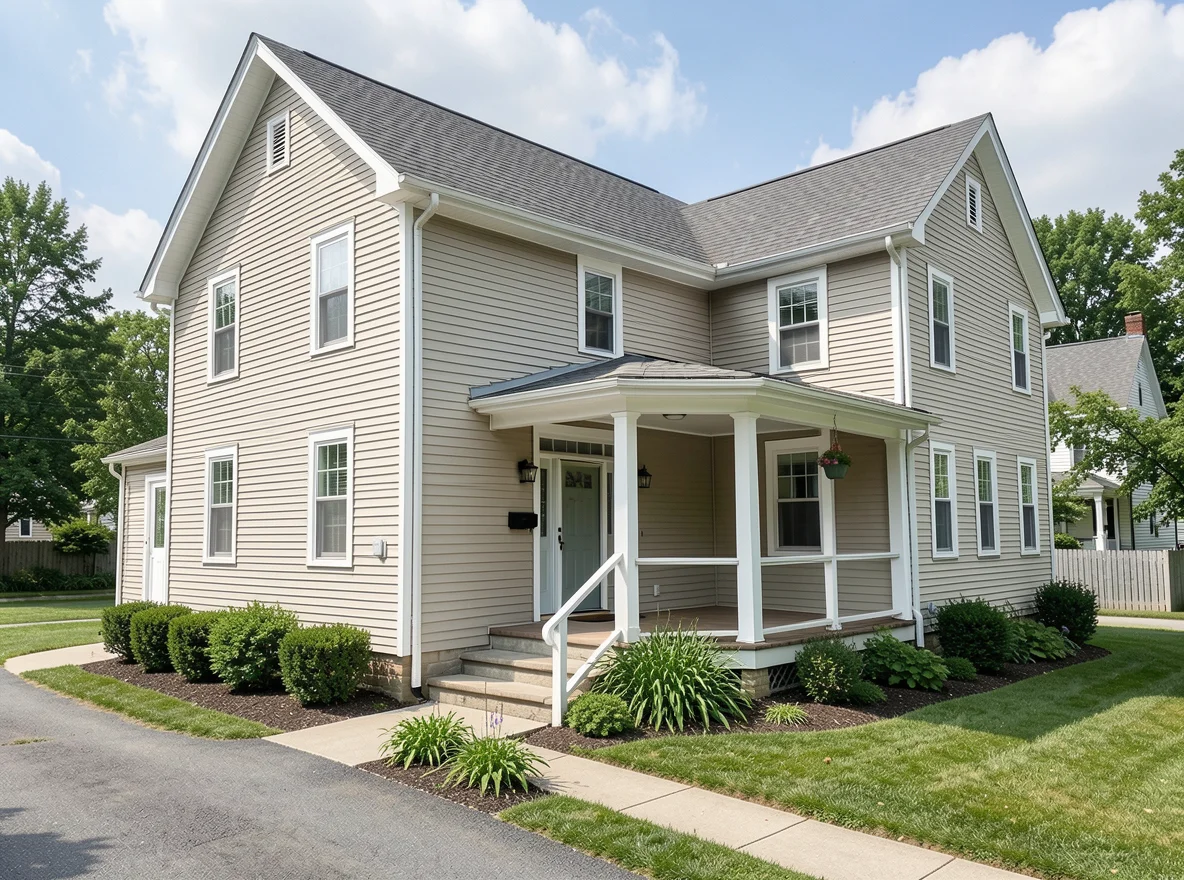
Begin with a list of repairs that protect the structure. Loose siding, peeling paint, damaged flashing, clogged gutters, and water collecting near the foundation deserve attention before decorative extras. Inspect the roof from the ground for visible concerns, and bring in a qualified professional when a closer look is needed. A clean exterior can improve presentation, but it should not disguise a problem that needs repair.
Next, note the smaller details that affect the approach to the house. A secure handrail, an intact porch floor, working exterior lights, and a door that opens smoothly all contribute to a cared-for impression. These are also useful improvements for day-to-day living, whether a sale is months away or not part of the plan.
Consider photographing the front of the property from the street and reviewing the picture later. The image may reveal overgrown shrubs, mismatched fixtures, or a prominent repair that is easy to overlook in person. Make a second list of cosmetic projects, then rank them by visibility, cost, and the work required to maintain them.
Fix water and material problems before spending on finishes: fresh paint and new mulch will not solve a leaking gutter or drainage issue.
Refresh the Entrance Without Overbuilding
The front door is a natural focal point, so modest improvements here can have an outsized visual effect. Clean the door and surrounding trim, replace worn hardware if necessary, and consider a fresh finish that complements the siding and roof. A simple doormat and a well-maintained porch can complete the look without adding clutter.
Lighting is another practical upgrade. Replace burned-out bulbs and damaged fixtures, and choose a consistent finish when updating more than one light. Position fixtures to illuminate the entrance and walkway without creating excessive glare. If wiring or new electrical work is involved, consult a qualified electrician and check applicable requirements before starting.
Walkways and steps deserve equal attention. Repair loose pavers or damaged surfaces, clear vegetation from the route, and consider how the path will be maintained through snow and ice. A welcoming approach should be easy to see and use, not just attractive in a listing photo.
For older homes, be cautious with sanding or disturbing painted surfaces. Lead-based paint may be present in homes built before 1978; use appropriately trained professionals and follow applicable lead-safe requirements when the work could disturb it. The preparation behind a paint job matters as much as the finished color.
Choose Landscaping That Works Beyond Photo Day
A polished yard is less about elaborate planting and more about definition. Trim shrubs away from windows and siding, edge planting beds, remove debris, and add mulch where appropriate. These straightforward tasks can make the front of a property look more intentional while keeping attention on the home itself.
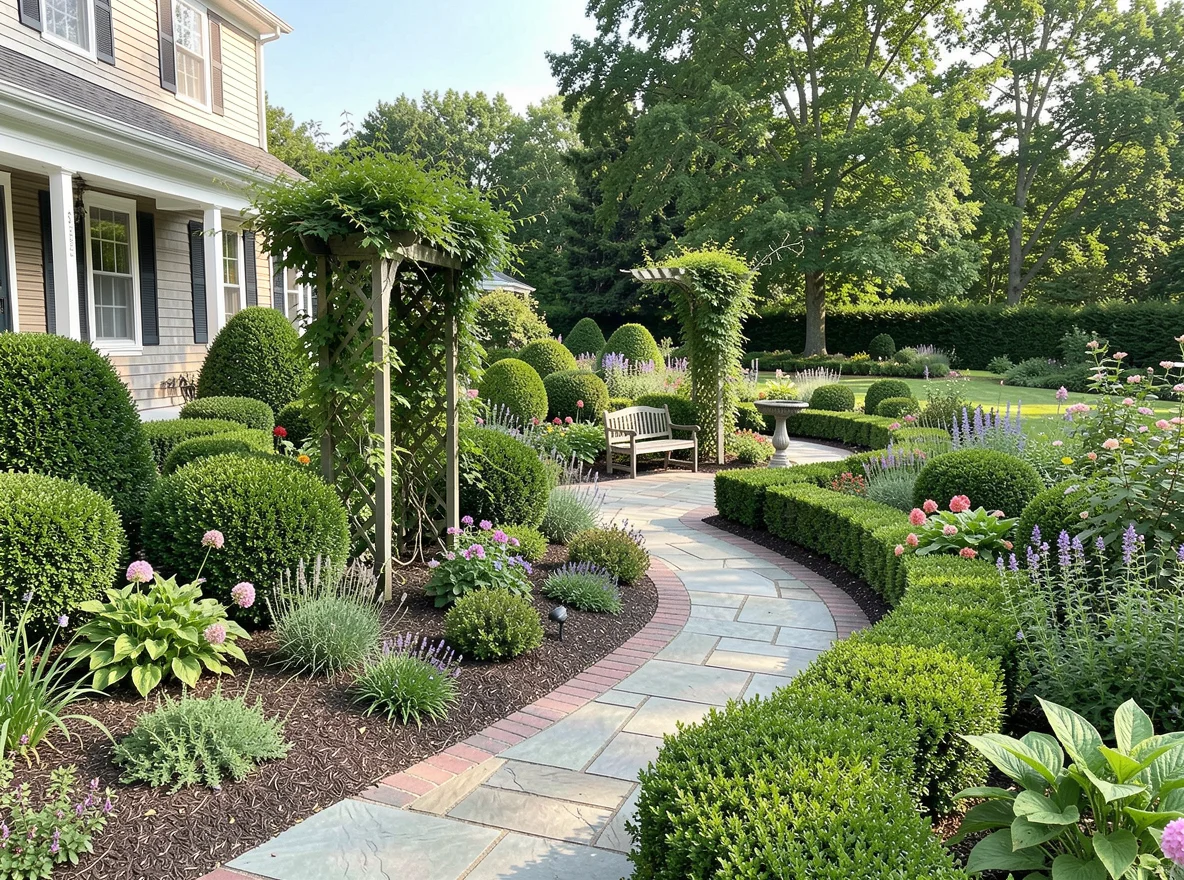
When adding plants, consider mature size, sun exposure, soil, and the time needed for upkeep. Plants suited to local conditions can reduce the need for replacement, and a mix of evergreen structure and seasonal color can keep beds interesting through the year. Keep plantings clear of vents and leave enough space around the foundation for inspection and maintenance.
Pay attention to where water goes as well as how the yard looks. Downspouts should direct water away from the house, and grading concerns may need professional assessment. If a lawn or planting bed stays wet after rain, investigate the cause before covering the area with a decorative solution.
Hardscaping can be useful, but it is easy to spend more than the property or your timeline calls for. Before installing an extensive patio, retaining wall, or elaborate stonework, compare estimates and consider how the project fits the home. Ask the town about permits or other requirements where applicable, especially when work changes drainage or involves structural elements.
For a listing preparation budget, start with trimming, cleanup, and a clear path to the door before committing to a complete landscape redesign.
Compare Project Costs With Potential Resale Value
There is no guaranteed return on an exterior upgrade. The value a buyer places on a new roof, fresh siding, or improved entry depends on the property’s condition, competing listings, the quality of the work, and market conditions at the time of sale. Some repairs may prevent objections or support a smoother transaction without returning their full cost as a higher sale price.
For larger projects, obtain detailed written estimates and compare the scope of work, materials, timelines, warranties, and cleanup—not just the final price. Set aside a contingency for concealed damage, particularly when replacing siding, repairing a porch, or opening up an older exterior. Keep invoices, permits, and warranty information so future buyers can understand what was done.
It also helps to separate necessary maintenance from optional upgrades. A failing roof calls for a different decision than replacing a serviceable door solely for style. If you expect to remain in the home, include your own enjoyment and reduced maintenance in the calculation. If you plan to sell soon, ask a local real estate professional which improvements are most relevant to your property and likely competition.
A Buyer’s Checklist for Exterior Condition
Buyers can use the same curb-to-door approach when touring a Holden property. Attractive landscaping and fresh paint are pleasant to see, but look beyond the finish. Notice drainage, the condition of steps and railings, visible siding damage, and whether trees or shrubs are close to the house. These observations are starting points for questions, not substitutes for an inspection.
Ask about the age and maintenance history of major exterior components, and review any available documentation. If an inspection identifies concerns, seek estimates from qualified professionals before deciding how the work affects your budget. A property that needs attention may still be worth considering when the scope and cost are understood.
Whether you are preparing to sell or planning improvements for the years ahead, the strongest exterior projects combine appearance with practical care. Start with the essentials, choose updates that fit the house, and make each decision with a clear budget and a realistic view of potential value.