
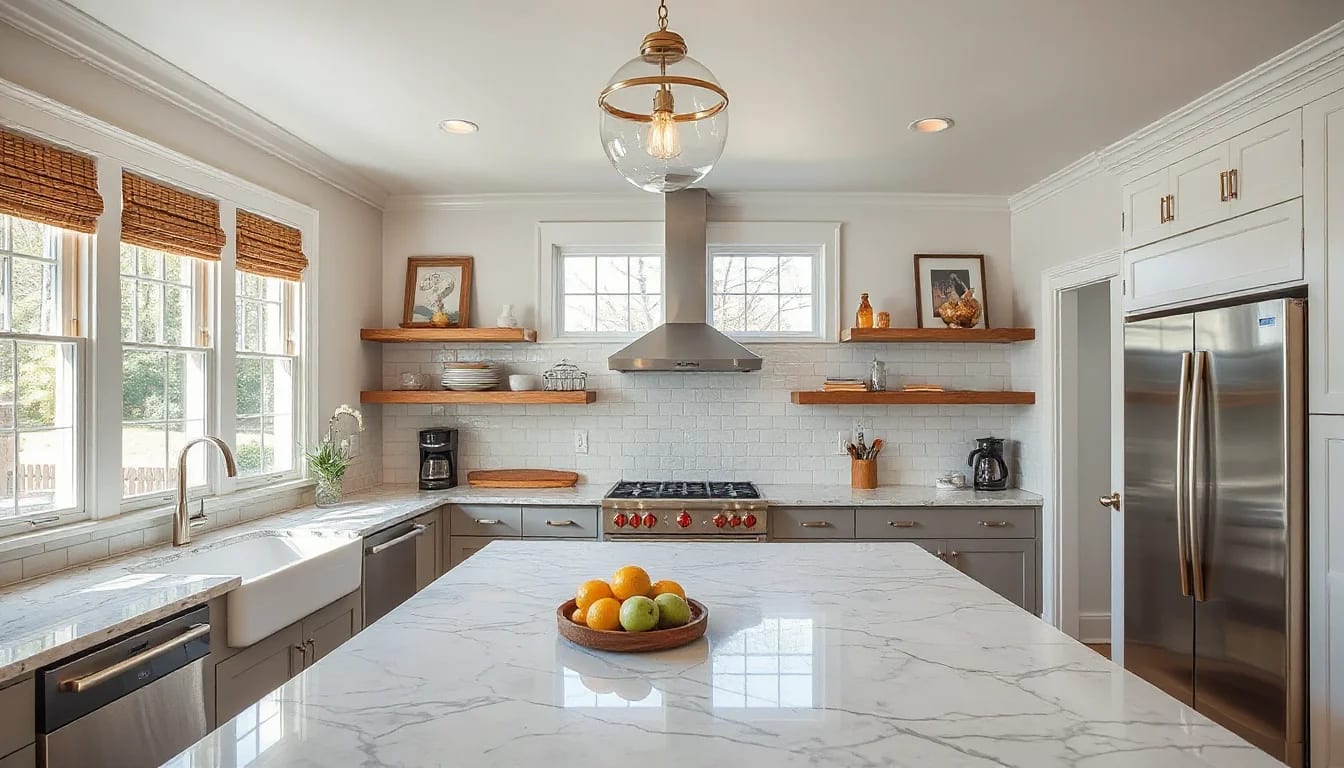

The most valuable home improvements are not always the largest or most expensive. In Ware, thoughtful updates that make a property feel well maintained, efficient, and move-in ready can help it stand out when buyers compare listings. Start with condition, focus on high-visibility spaces, and make each project fit the home’s price range and character.
Start with the Updates Buyers Notice First
When preparing a Ware home for resale, the goal is not to turn every room into a showroom. It is to help buyers see a cared-for property with fewer immediate projects on their list. A clean exterior, a functional kitchen, refreshed bathrooms, and reliable systems often carry more weight than highly personalized renovations. Before choosing upgrades, walk through the home as if you were seeing it for the first time: What looks dated, unfinished, worn, or difficult to maintain?
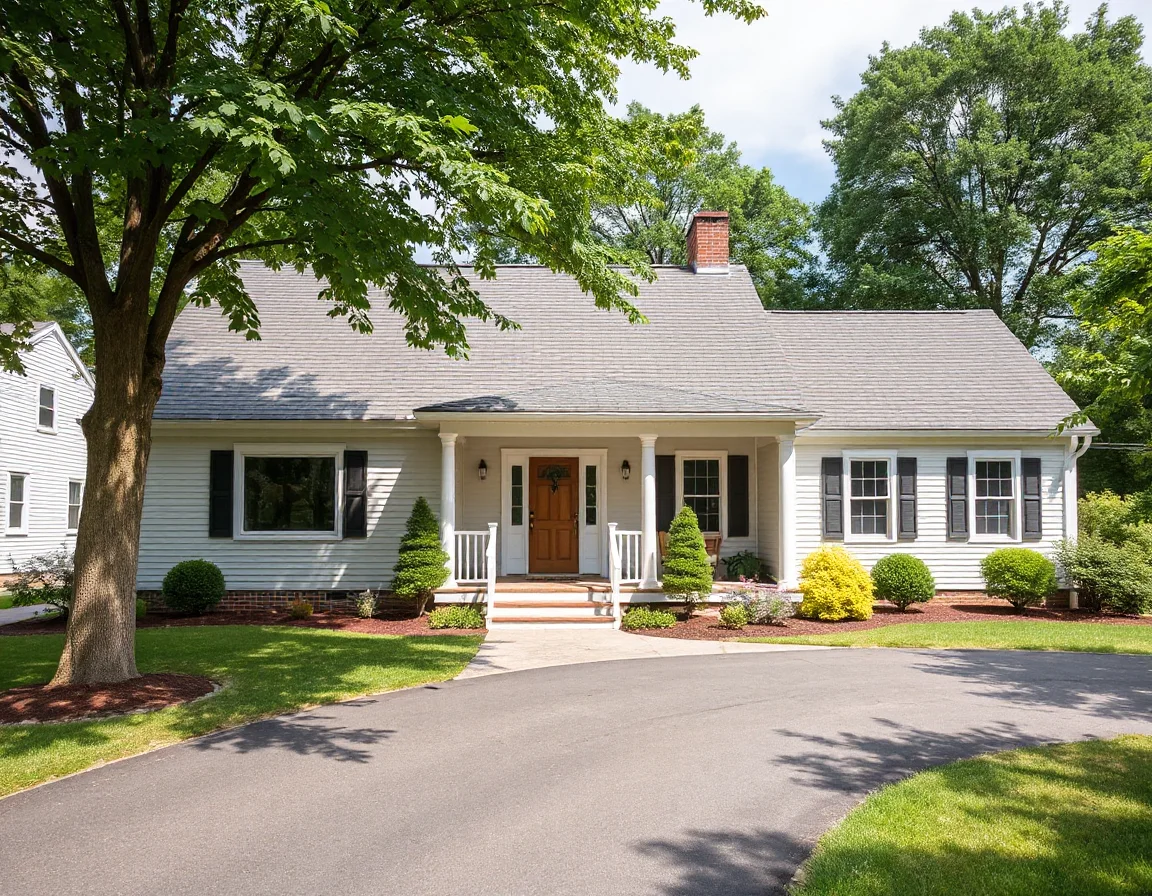
Curb appeal is a practical first investment. A buyer’s first impression begins before the front door opens, especially when listing photos and drive-by visits are part of the decision process. Fresh paint on trim or the front door, repaired steps or railings, cleaned gutters, a tidy walkway, and simple seasonal landscaping can make an older property look more consistently maintained. These improvements do not need to be elaborate. The most effective exterior work usually emphasizes neatness, durability, and a clear sense that routine maintenance has not been deferred.
Inside, prioritize repairs before cosmetic extras. Replace cracked switch plates, fix dripping faucets, adjust doors that stick, patch nail holes, and address visible water stains only after the underlying issue has been resolved. Neutral, coordinated paint can make rooms feel brighter and easier to understand, while fresh caulk around tubs, sinks, and backsplashes signals attention to detail. Buyers may not remember every repair individually, but they often notice when a home feels finished rather than like a collection of weekend projects.
A modest repair list completed before photography can improve the way a home presents online and reduce distractions during in-person showings.
For many homes in central Massachusetts, efficiency also belongs on the pre-sale checklist. Service records for heating equipment, a well-maintained chimney, updated weatherstripping, insulated attic areas where appropriate, and working smoke and carbon monoxide detectors can provide useful reassurance. Not every system needs to be replaced before selling, but clear documentation and an honest assessment of condition help a seller decide where an upgrade may be worthwhile and where pricing should account for age.
Put Kitchen and Bath Dollars to Work Carefully
Kitchens and bathrooms receive a great deal of attention because they are used every day and can quickly reveal a home’s age. That does not automatically mean a full remodel is the best choice. In many cases, targeted updates deliver a stronger return than moving walls, selecting premium finishes, or designing a space around one person’s preferences. The right scope depends on the home’s existing condition, comparable properties, and the likely price range for the listing.
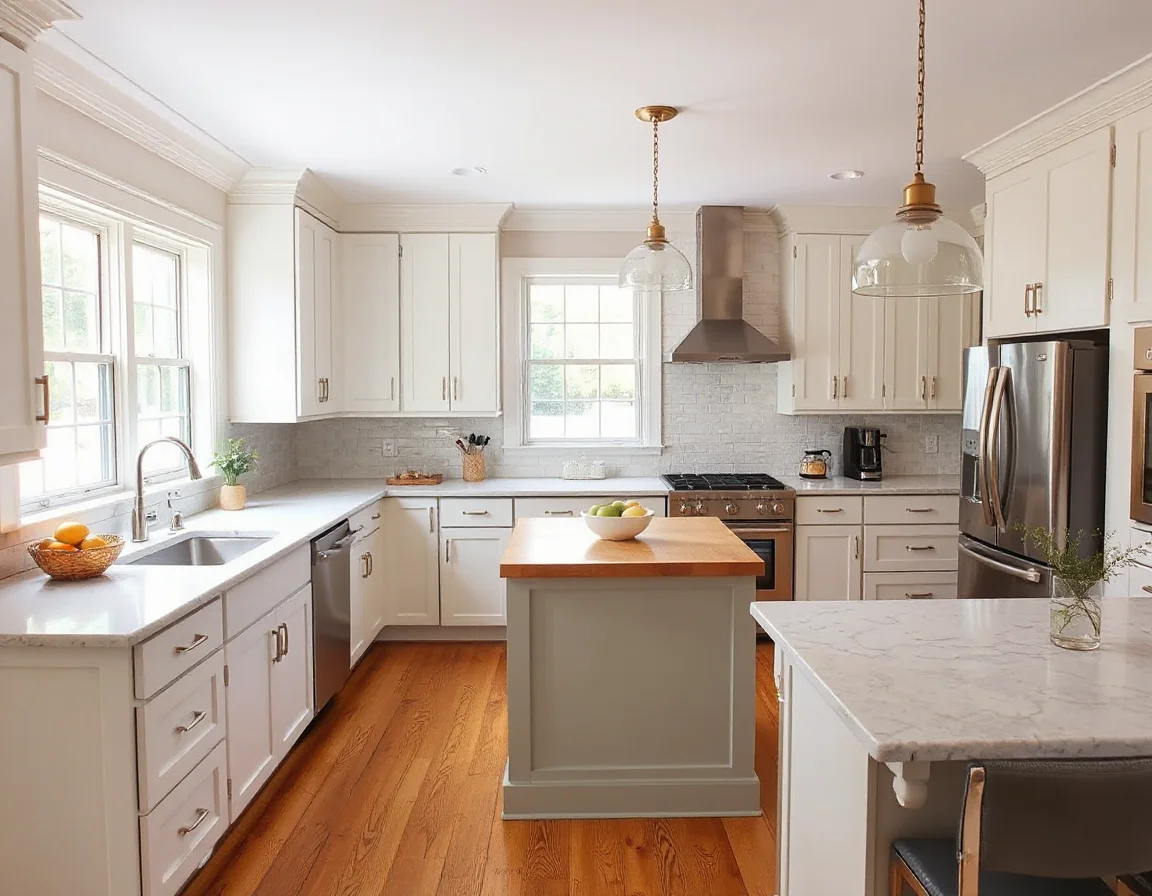
A kitchen refresh can be remarkably effective when the layout already works. Consider repainting sound cabinets, replacing dated hardware, installing a coordinated faucet, updating worn lighting, and repairing or replacing damaged countertops. If appliances are near the end of their useful life, matching models in a sensible finish may help the room read as more cohesive. Choose materials that look durable and are easy to maintain rather than making a highly specific design statement. A buyer should be able to imagine using the room without immediately calculating a renovation budget.
Bathrooms benefit from the same measured approach. Bright lighting, a new mirror, updated vanity hardware, clean grout, fresh caulk, and a well-functioning exhaust fan can improve the experience without requiring a complete rebuild. If the vanity, flooring, or shower surround is visibly damaged or difficult to clean, replacement may be justified. Keep finishes coordinated with the rest of the house, and avoid over-improving a small room with features that are unlikely to align with the broader value of the property.
A clean, functional kitchen or bath often makes a stronger resale impression than an expensive remodel with unusually personal finishes.
Before starting a major project, compare the anticipated cost with realistic local pricing. A renovation that feels exciting may not always translate into an equal increase in sale price. Work completed to correct condition issues, improve daily function, or modernize a visibly dated space is generally easier for buyers to understand than luxury additions that exceed nearby market expectations. A local real estate professional can help identify which upgrades are likely to support the listing strategy and which improvements may be better left to the next owner.
Make the Home Easy to Evaluate
Resale value is also shaped by how easily buyers can evaluate the property. Decluttering rooms, removing excess furniture, organizing utility areas, and creating clear pathways can help show the scale and function of each space. Storage is especially important: closets, basements, garages, and sheds should be clean enough for buyers to assess their capacity. These tasks are not glamorous, but they can make the home feel more usable without changing its footprint.
In Ware, properties vary widely in age, lot size, style, and condition, so there is no single upgrade formula. An older home may benefit most from preserving original character while improving comfort and reliability. A newer property may need only cosmetic refreshes, landscaping, and careful presentation. For homes with outdoor areas, repair fences, clean decks or patios, trim back overgrowth, and make sure drainage routes water away from the foundation. Those details reinforce the impression of ongoing care.
Keep records for completed work whenever possible. Receipts, warranties, permits, maintenance invoices, and a concise list of recent improvements can be useful during showings, inspections, and negotiations. Documentation does not replace an inspection, but it helps buyers understand what has been maintained and when. It can also help distinguish a recent, meaningful improvement from a quick cosmetic cover-up.
Choose Improvements with a Clear Selling Plan
The best resale upgrades are the ones that make sense for the property, the market, and the seller’s timeline. Begin with repairs, then improve visual condition in the rooms and exterior areas buyers will notice most. Spend strategically on kitchens, bathrooms, efficiency, and curb appeal, but resist the urge to renovate every surface. With a focused plan and realistic local guidance, sellers can present a Ware home with confidence while keeping improvement dollars aimed at the details that matter most.
