


West Brookfield home prices and available inventory can shift quickly, especially when a limited number of properties are competing for attention. Understanding the relationship between asking prices, recent sales, property condition, and days on market can help you make a more confident move. The goal is not to predict every change—it is to recognize what today’s local market is telling you before you act.
Start With the Local Story Behind the Numbers
Home search websites can provide a useful starting point, but they do not always explain what is happening beneath the headline figures. In West Brookfield, Massachusetts, a small number of new listings or completed sales can noticeably influence the monthly picture. A median price may rise because several higher-priced homes closed, while a lower median in another month may simply reflect a different mix of property types. Looking at the details behind the number is often more useful than reacting to one statistic alone.

Start by separating active listings, pending sales, and closed sales. Active listings show what is currently available and what sellers are asking. Pending properties offer a more current signal of buyer activity, although final sale prices are not yet public. Closed sales confirm what buyers and sellers agreed upon in prior weeks or months. Together, these categories create a more complete view of pricing momentum than any single number can provide.
Inventory matters just as much as price. When there are fewer homes available, buyers may have fewer options in a particular price range, style, or location. When selection grows, buyers can compare more properties and take additional time to evaluate condition, layout, land, updates, and financing terms. Neither environment is automatically better; each calls for a different strategy and a clear understanding of comparable homes.
A listing’s asking price is a starting point, not proof of market value. The most useful comparison is a group of recently sold homes with similar location, condition, size, features, and timing.
West Brookfield properties can vary considerably, from homes near the village center to residences with larger lots, historic details, outbuildings, or more rural settings. That variety makes broad averages less precise. A renovated home with updated systems may attract a different level of demand than a similar-sized home requiring significant improvements. Features such as acreage, garages, water access, utility setup, and road location can also affect how buyers evaluate value.
How Buyers Can Read Inventory With More Confidence
For buyers, inventory is more than a count of homes for sale. It is a measure of choice, competition, and timing. If only a few homes meet your needs, it is helpful to be prepared before the right property appears. That preparation can include reviewing lending options, identifying your preferred monthly payment range, understanding likely repair or renovation costs, and defining which features are essential versus flexible.
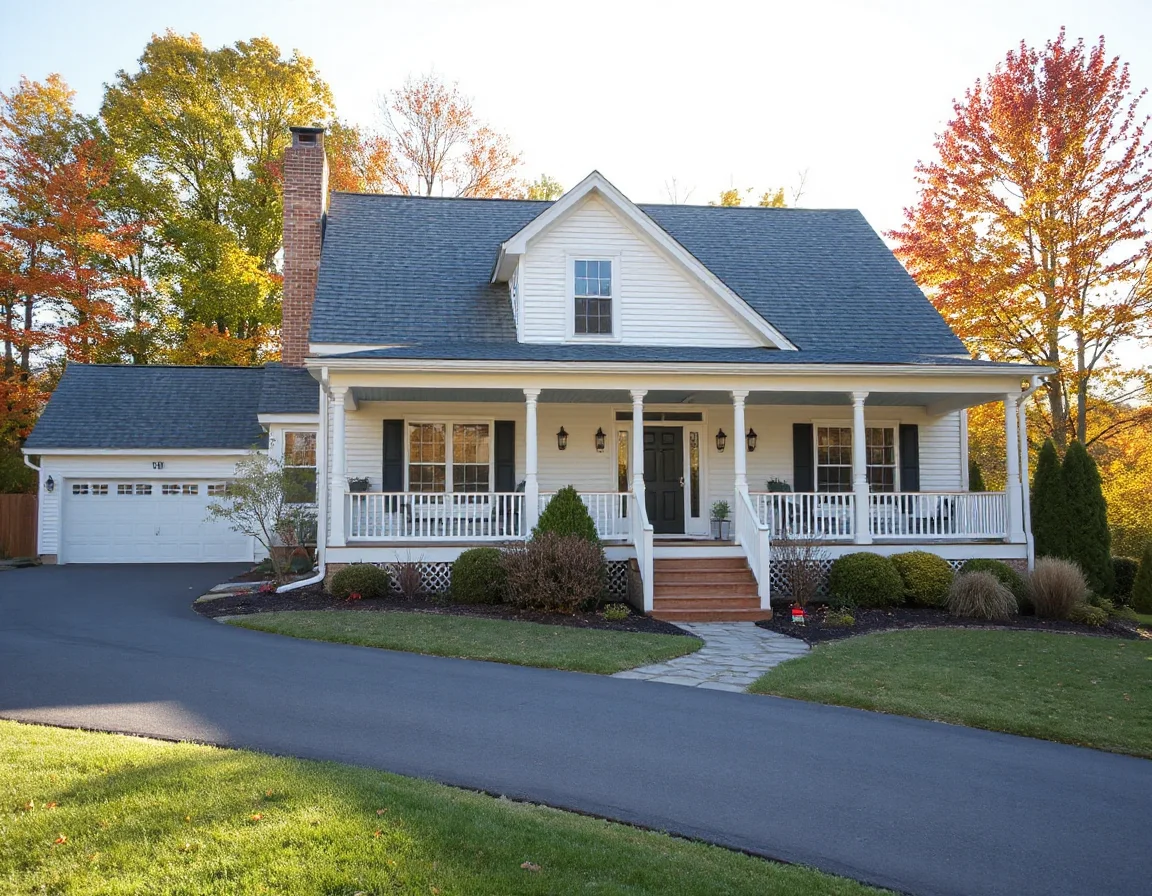
A smaller inventory can make it tempting to move quickly on every new listing. A better approach is to move decisively after reviewing the property carefully. Compare the home against recent sales, consider visible maintenance needs, ask about systems and permits where appropriate, and account for taxes, insurance, and ongoing ownership costs. A strong offer is not only about price; the financing plan, timeline, contingencies, and clarity of terms can all shape a seller’s decision.
When more listings are available, buyers have an opportunity to study patterns. Are similar homes receiving price adjustments? Are well-maintained properties moving faster than homes needing work? Do certain price points have more choices than others? Observing these signals can help buyers decide whether a property is positioned competitively or whether it deserves closer negotiation analysis.
It is also wise to distinguish between a property that has been available for several weeks and a property that is overlooked. Longer market time may reflect price, condition, marketing exposure, seasonal timing, or a feature that narrows the pool of interested buyers. It can create an opening for a thoughtful offer, but it should also prompt careful due diligence rather than assumptions.
Search West Brookfield listings
What Sellers Should Watch Before Setting a Price
Sellers benefit from tracking competition in real time. A home is not priced in isolation; it is evaluated beside other properties that buyers can visit during the same week. Before setting an asking price, review active homes that may compete for attention, recently pending homes that suggest current demand, and closed sales that provide the strongest evidence of value. The best pricing conversation considers all three.
Condition and presentation have an outsized effect when inventory is limited. Buyers often compare photos, floor plans, updates, outdoor spaces, and visible maintenance before scheduling a showing. A clean, well-prepared property can help buyers understand its value more quickly. Preparation might include addressing deferred repairs, improving lighting, simplifying rooms, refreshing landscaping, and organizing documentation for upgrades or major systems.
Pricing too high in anticipation of negotiation can have drawbacks. The earliest days on market often draw the most attention, and an asking price that does not align with comparable options may reduce showing activity. On the other hand, a price that is supported by current market evidence can invite stronger engagement and help sellers evaluate the quality of offers rather than simply waiting for interest to develop.
Seasonality deserves context as well. Activity can change throughout the year because listing schedules, weather, holidays, financing timelines, and buyer availability change. Seasonal patterns are useful, but they should not outweigh the current supply of comparable homes. A well-positioned property can attract interest in any season, while a property that is difficult to compare or priced above its alternatives may need a more deliberate plan.
The clearest pricing strategy blends recent closed sales with what buyers can choose today. Closed sales show proven value; active competition shows the decision buyers are making now.
Use Market Information as a Decision Tool
The most productive way to follow the West Brookfield market is to focus on decisions rather than headlines. Buyers can use current inventory to refine their search, prepare for competitive situations, and recognize value when it appears. Sellers can use comparable sales and active competition to set a price that reflects both the home’s individual strengths and the choices available to prospective buyers.
Because local inventory may be limited, broad regional reports should be treated as background rather than a substitute for property-specific analysis. A nearby town may share certain market influences, yet differences in housing stock, lot sizes, condition, and location can produce very different results. A current comparison should be built around homes that a buyer would realistically consider as alternatives.
Whether you are considering a purchase, planning a sale, or simply monitoring your options, reliable market information can turn uncertainty into a workable plan. Review the latest listings, watch pending activity, and revisit comparable sales as conditions change. With a clear view of price and inventory, you can move forward with better timing, stronger expectations, and a strategy suited to the property in front of you.